Content Strategy
LinkedIn for Commercial Real Estate Brokers: A Practical System
A practical LinkedIn marketing system CRE brokers can use to turn market expertise, deal work, and client questions into credible content.
In this field note
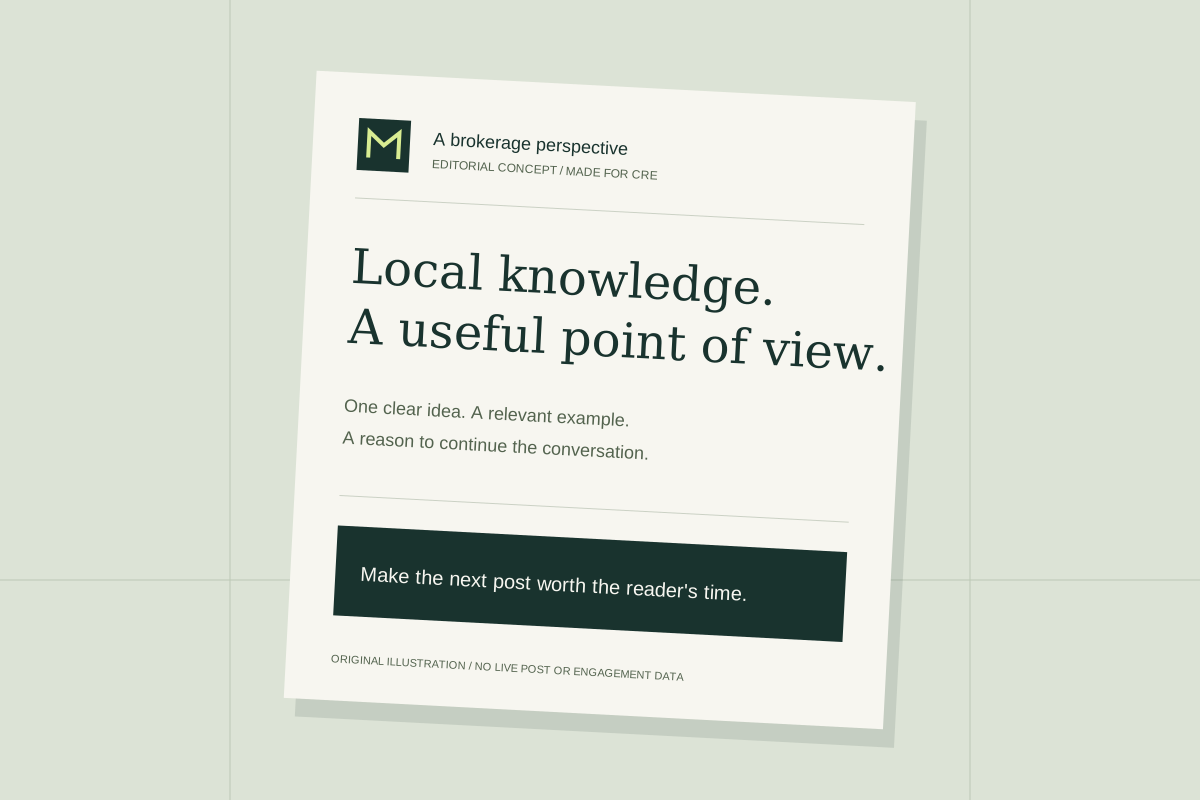
The best LinkedIn strategy for a CRE broker is not to sound like a marketing department. It is to make useful professional judgment visible: what you notice in the market, how you evaluate an issue, and what clients should understand before making a decision.
Make the profile answer three business questions
A prospect who finds a post will often visit the author’s profile before clicking the company website. The headline, banner, about section, featured links, and recent activity should quickly explain what the broker does, where they work, and whom they help.
Write for the client, not the org chart. “Industrial tenant representation in Phoenix” is more informative than a title alone. Use the featured section for a strong market article, representative assignment, property page, or clear contact route.
Choose three repeatable content pillars
A narrow set of themes makes posting easier and builds a recognizable point of view. The pillars should overlap with the work the broker wants more of, not every subject the industry could discuss.
- Market intelligence: supply, demand, rents, sales, development, and submarket movement.
- Decision guidance: how owners, investors, and occupiers can evaluate common choices.
- Execution perspective: lessons from tours, diligence, negotiations, launches, and completed assignments.
Use a weekly rhythm that fits brokerage work
Consistency matters, but daily publishing is not required. Start with two useful posts per week and one deeper article or document each month. Capture ideas immediately after calls, tours, and meetings while the details are still fresh, then remove confidential information before drafting.
- Tuesday: one market observation with a clear implication.
- Thursday: one practical answer to a client question.
- Monthly: one deeper article, checklist, chart, map, or short case study.
Structure each post around one useful idea
Open with the observation, tension, or question. Explain why it matters. Add the evidence or example. End with a practical conclusion or a specific question that invites professional discussion.
Keep the post readable. Short paragraphs and plain language help, but manufactured suspense and exaggerated hooks erode credibility. LinkedIn’s own marketing guidance emphasizes fresh ideas and audience value over overtly sales-focused content.
A strong post should still be useful if the reader never clicks a link or contacts the author.
Treat distribution as professional follow-up
Publishing is only the first step. Respond to substantive comments, send a relevant article to a contact facing the issue, reference the piece in a follow-up email, and encourage colleagues to add their own perspective rather than posting identical comments.
Use the company page to organize the firm’s voice and the broker’s profile to carry personal expertise. Promote the page in email signatures, newsletters, and the website, and keep both profiles current.
Measure business signals, not only visible engagement
Track profile views from the right audience, relevant connection requests, direct messages, website visits, newsletter signups, saved posts, and real conversations influenced by the content. A niche post may be valuable even when its visible engagement is modest.
After six to eight weeks, identify the subjects that attracted the right people and the formats that were easiest to sustain. Repeat the strongest themes, deepen them on the website, and remove the work that creates activity without business value.
Research sources
Ideas for your next website or property campaign?
We would be glad to help you bring them to life.

Good work starts with a conversation
Put the thinking to work.
Connect your brand, digital presence, and next campaign with a marketing partner focused on commercial real estate.